The types of surface treatment of materials produced by our company (Sichuan Huitai Special Metals Co., Ltd.) is divided into the following categories. Please refer to the following before ordering.
1.Black Surface
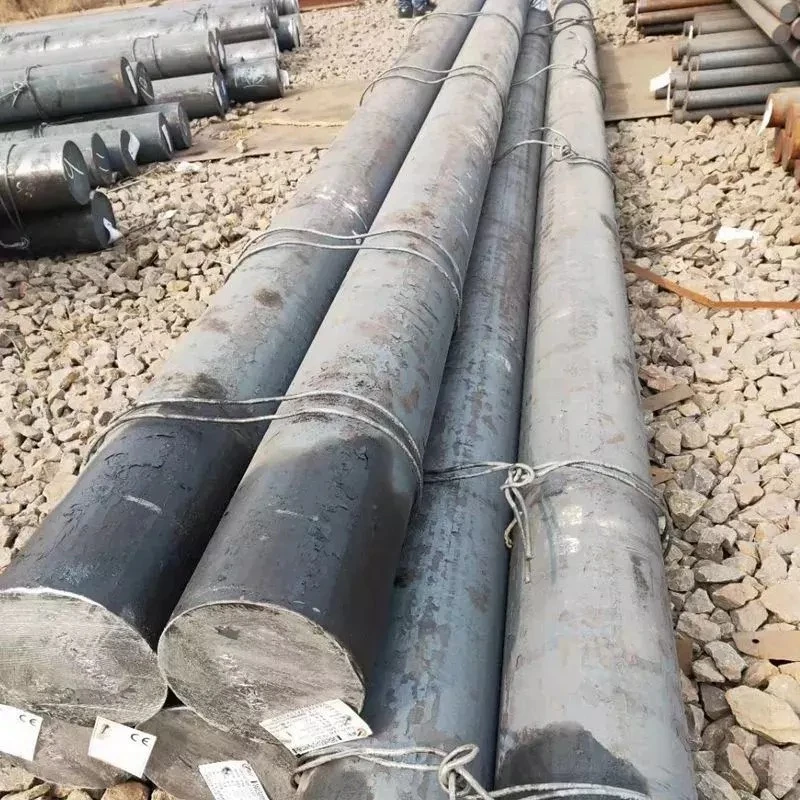
- Hot Rolled Black
① Color: The surface is black or dark brown. This is because during the hot rolling process, the iron on the surface of the steel bar reacts with the oxygen in the air to form a layer of oxide scale.
② The surface is relatively rough, with obvious rolling textures, which are traces left by the hot rolling process. These textures are distributed along the length of the steel bar and are produced when it is rolled through the rollers at high temperature.
③ Shape accuracy: The overall shape is relatively regular, but compared with cold-processed steel, the dimensional accuracy of hot-rolled black-skinned steel bars is relatively low. The diameter size tolerance is +/-2mm, and the length tolerance is +/-10mm.
Check below photo of hot rolled black surface bar below for referance:
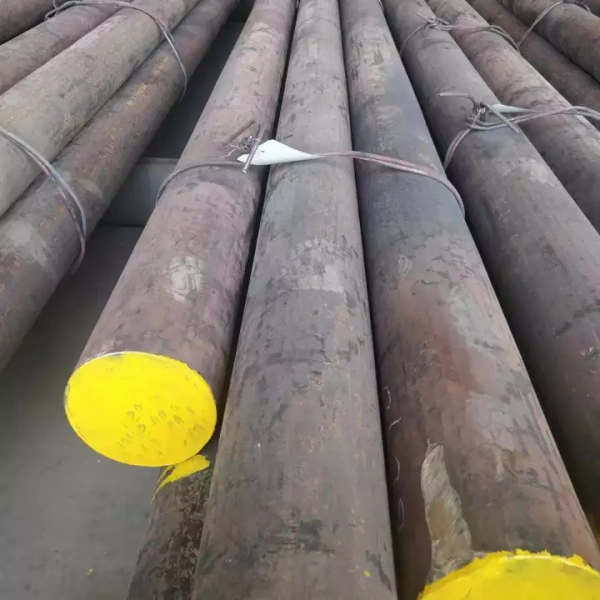
- Forged Black
① Surface color: Similar to hot-rolled black steel bars, its surface is black or dark gray due to oxidation. This oxide layer is formed during the forging heating process and can protect the internal metal to a certain extent.
② Surface texture: The surface has unique forging textures. These textures are irregular and relatively rough. They are traces left by metal flow and deformation during the forging process. Their distribution has no obvious rules and is significantly different from the rolling texture.
③ Shape characteristics: The overall shape is closer to the ideal shape than the hot-rolled black steel bar. The forging process makes the steel bar have better straightness and usually less out-of-roundness. However, there may be some minor unevenness in some parts, which is caused by the surface condition of the forging die or some factors in the forging operation.
④ The normal tolerance is -0/+5mm.
Check below photo of forged black surface bar below for referance:
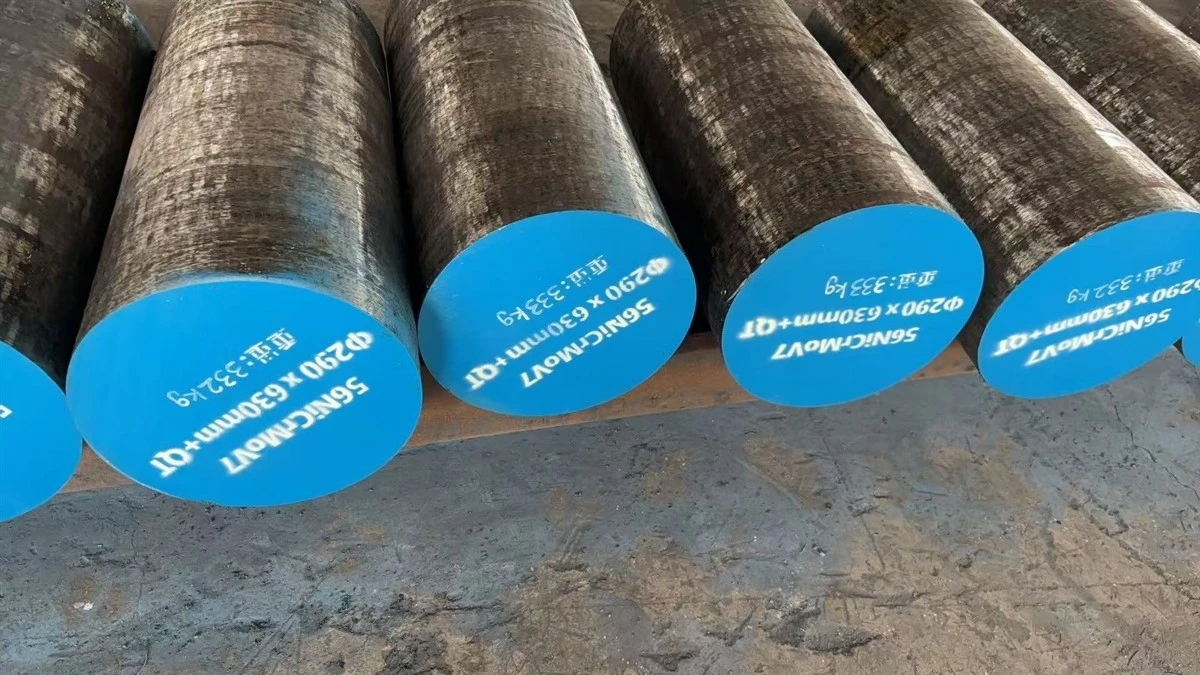
2.Peeled Surface
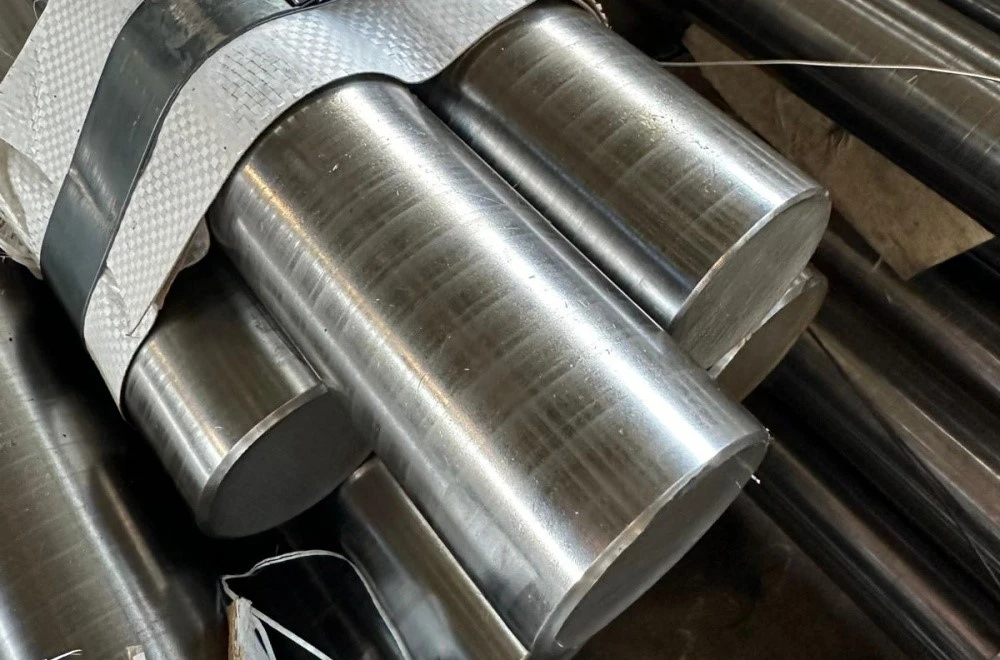
① Smooth surface: After the peeling process, the oxide scale and impurities on the surface of the steel bar are removed, presenting a bright appearance. The roughness is large, and the true color of the metal can be clearly seen, usually silver gray or grayish white.
② Accurate size: The peeling process can accurately control the diameter and other dimensions of the steel bar, and the roundness is good. The diameter tolerance range can usually be controlled at ±2mm or even smaller, which can better meet the high-precision processing requirements.
③ Good straightness: The steel bar generally undergoes straightening and other processes before peeling, so the overall straightness is good, and the curvature usually does not exceed the specified standard. For example, the curvature per meter does not exceed 1mm, which gives people a straight and regular feeling visually.
④ Obvious peeling marks can be seen on the appearance of the steel bar.
Check below photo of peeled surface bar below for referance:
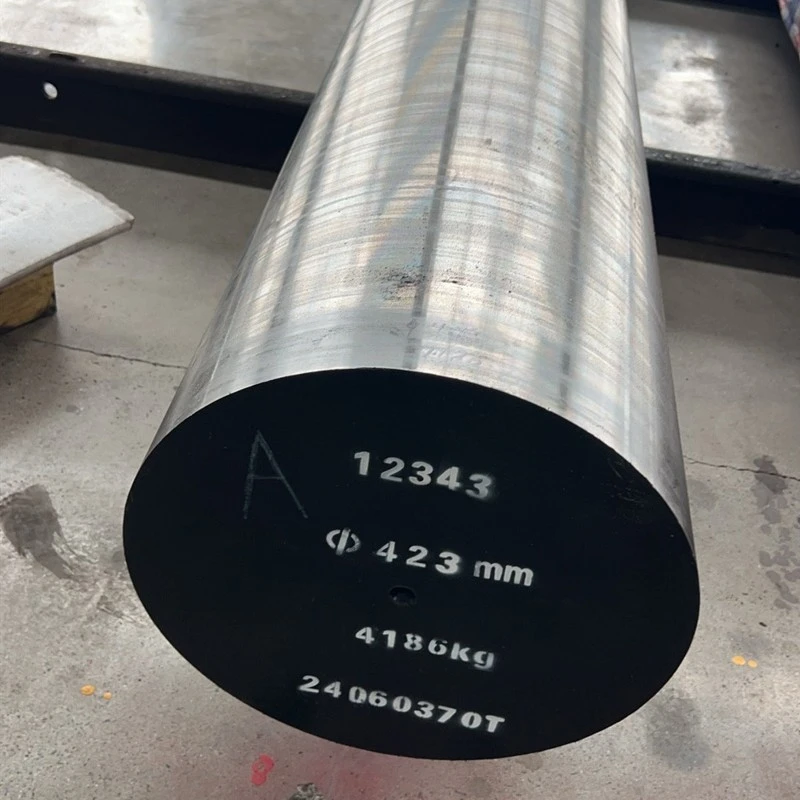
3.Rough Machined(Rough Turned) Surface
① Surface color: The surface presents a bright metallic luster.
② Surface texture: The surface has regular turning lines, which are spiral or straight, which are regular marks left by the turning tool during the cutting process.
③ Dimensional accuracy: The dimensional accuracy is relatively low, and the diameter tolerance is usually around ±1mm.
Check below photo of Rough Machined(Rough Turned) surface bar below for referance:
4.Precision Turned Surface(Finish Turning)
① The surface color is uniform and consistent, showing the natural color of the metal, usually silver gray or grayish white. There is no obvious oxidation spot or other color difference, and it has a certain glossiness. The overall appearance is neat and beautiful.
② Low surface roughness: Precision turning can greatly reduce the surface roughness of the steel bar, usually up to Ra1.6 - Ra0.8μm. The surface is smooth and delicate, and the naked eye can hardly see obvious knife marks. It feels smooth and has no graininess.
③ High dimensional accuracy: The diameter tolerance can be strictly controlled within ±0.5mm. The roundness error is extremely small, generally not exceeding 0.01mm. The cylindricality can also be controlled within a small range, which can meet the requirements of high-precision assembly and use.
④ Flat and smooth ends: The ends are finely processed, flat and smooth, without obvious burrs, flash or knife marks, and the transition with the main body of the steel bar is also relatively smooth.
Check below photo of Precision Turned Surface(Finish Turning) surface bar below for referance:
For more details please contact us freely