


SKH59 Steel
DIN 1.3247
ISO HS2-9-1-8
ASTM M42
Products Description
SKH59 Steel Equivalent Grades
| DIN EN ISO 4957 | ASTM | JIS |
| 1.3247/HS2-9-1-8 | M42 | SKH59 |
AISI M42 Tool Steel Chemical Composition
| JIS G4403 | C | Mn | P | S | Si | Cr | V | Mo | W | Co | ||||||||
| SKH59 | 1.05 | 1.15 | … | 0.40 | 0.03 | 0.03 | … | 0.70 | 3.50 | 4.50 | 0.90 | 1.30 | 9.00 | 10.00 | 1.20 | 1.90 | 7.50 | 8.50 |
What factors may affect the toughness of SKH59 steel?
1. Chemical composition: The type and content of alloying elements have an important influence on the toughness of steel. For example, too high a carbon content will increase the hardness of the steel, but reduce its toughness; if the content and proportion of alloying elements such as tungsten, molybdenum, chromium, and vanadium are not reasonable, it may also have an adverse effect on toughness.
2. Heat treatment process:
Quenching temperature and cooling rate: Too high or too low a quenching temperature, as well as too fast or too slow cooling rate, may lead to uneven structure of SKH59 steel or residual stress, thereby reducing toughness.
Tempering temperature and time: Too low a tempering temperature or too short a time may result in insufficient transformation of residual austenite or insufficient elimination of residual stress; too high a tempering temperature or too long a time may cause the hardness of the steel to drop too much, which will also have an adverse effect on toughness.
3. Purity of steel: The number, size, shape and distribution of inclusions (such as sulfides, oxides, nitrides, etc.) in the steel will affect the toughness of the steel. Inclusions can become crack sources, reducing the fracture toughness and impact toughness of steel.
4. Grain size: Small and uniform grains can improve the toughness of steel. If the grains are coarse due to improper hot working process during processing, the toughness will decrease.
Processing technology: Parameters such as deformation amount, deformation temperature and deformation rate during hot working processes such as forging and rolling, if not properly controlled, may cause defects or make the structure uneven, thus affecting toughness.
5. Environmental factors: During use, if the working environment temperature is too low or there is a corrosive medium, SKH59 steel may become brittle and reduce toughness.
Products Photos

Our factory


Steel Making
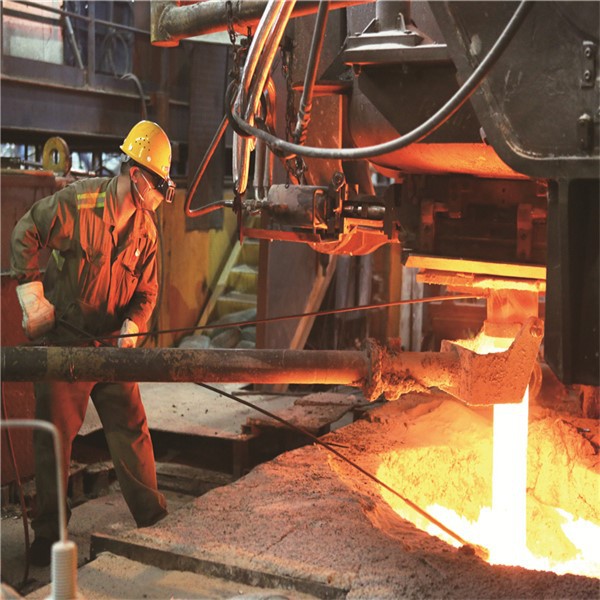
Ingot Production

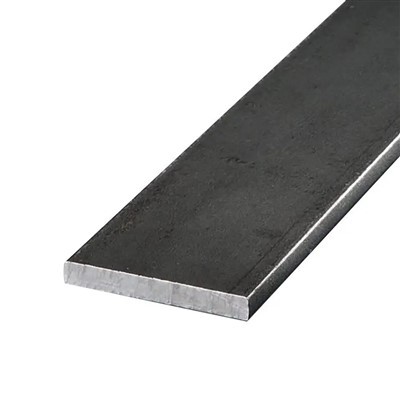
Forged Bars

Machinary
SKH59 steel has a wide range of applications due to its excellent properties. The following are some common applications:
Cutting tools:
- Drill bits: used to drill holes in various materials, such as metal, wood, plastic, etc.
- Milling cutters: used to mill planes, steps, grooves, formed surfaces, etc.
- Turning tools: used to turn outer circles, inner holes, end faces, threads, etc.
- Taps and dies: used to process internal and external threads.
Cold working dies:
- Punching dies: used to punch various thin plate materials and make parts.
- Drawing dies: used to draw flat blanks into containers or parts of various shapes.
- Cold heading dies: used to cold head various standard parts and special-shaped parts such as bolts and nuts.
- Woodworking tools: such as saw blades, planers, milling cutters, etc. used for wood processing.
- Wear-resistant parts: for example, in some mechanical parts that require high wear resistance, such as sliders, guide pillars, etc.
- Dental tools: such as medical equipment tools such as dental drills.
Compared with other high-speed steel materials, SKH59 steel has the following advantages and disadvantages:
- Advantages:
High hardness and wear resistance: After heat treatment, the hardness of SKH59 high speed steel can reach 67-70HRC, and it has excellent wear resistance. During the cutting process, the tool can maintain sharpness for a long time, which is suitable for processing high-hardness materials and occasions with high requirements for tool wear.
Good hot hardness: It can still maintain high hardness and strength at a higher cutting temperature (about 600℃), so that it can adapt to high-speed cutting and continuous cutting operations, and improve processing efficiency.
Good toughness: Compared with some high-speed steels with extremely high hardness but poor toughness, skh 59 has relatively good toughness while maintaining high hardness, reducing the risk of tool chipping and fracture during use.
Excellent comprehensive performance: The hardness, toughness, hot hardness, wear resistance and other properties have achieved a good balance, making it widely used.
- Disadvantages:
High cost: Since skh 59 high-speed steel contains more alloy elements such as tungsten, molybdenum, and cobalt, the material cost is high, resulting in relatively expensive prices for tools or products.
Difficult processing: Due to the high hardness, the requirements for tools and processing technology are high during mechanical processing, which increases the difficulty and cost of manufacturing.
Strict heat treatment requirements: If the process control is not proper during heat treatment, problems such as overheating, overburning, and decarburization are prone to occur, affecting the performance and service life of the material.
Packing & Delivery


We always adhere to a strict quality control system, from the purchase of raw materials, monitoring of the production process to the inspection of finished products, every link is strictly operated in accordance with international standards and industry specifications. Ensure that the chemical composition, mechanical properties, dimensional accuracy and other indicators of each batch of SKH59 steel products meet the requirements and expectations of customers, and provide customers with high-quality and high-performance products.
Hot Tags: skh59 steel, China skh59 steel manufacturers, suppliers, factory, High Speed Steel Bar, high speed steel rod, m2 high speed steel, M35 High Speed Tool Steel Bar, hss tool bit, 1 3343 steel equivalent
Previous
No InformationYou Might Also Like



Send Inquiry